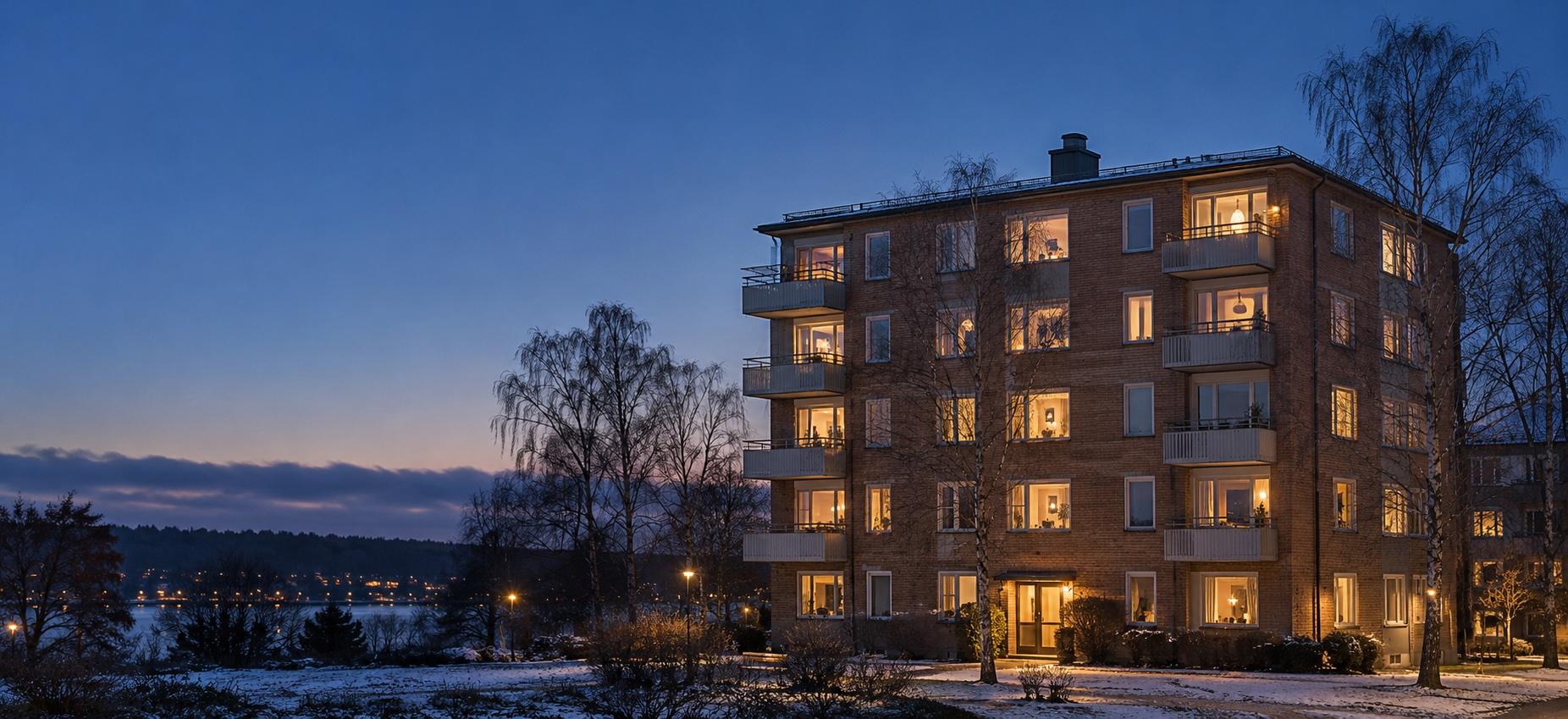
IMD for housing associations

What is IMD? Individual metering and billing in housing associations

IMD stands for individual metering and billing. Each apartment's use of electricity, water or heat is metered, and residents pay for what they actually use, usually on the monthly invoice. The association decides for itself what to meter.

How does IMD work?

1

Metering. One or more meters in each apartment, for example for electricity, cold water and hot water, record the use and are read remotely.

2

Billing. The use is converted into kronor.

3

The invoice. The financial property manager adds the amount to the ordinary monthly invoice.

The board decides which costs are billed by use and which stay in the monthly fee. On the invoice, residents see what they have used and what it costs.

1Metering
The meters record the use
2Billing
The use becomes kronor
3The invoice
The cost lands on the invoice

IMD for electricity, water and heat

IMD Electricity and IMD Water save money in different ways. Heat is a question of its own.

Electricity

With IMD Electricity the association signs one shared electricity agreement. The apartments' fixed charges become a single shared one, and the association often gets a lower electricity price as a large customer. Residents still pay only for their own use.

What is metered
Electricity use per apartment, within one shared electricity agreement.
How you save
The apartments' own fixed charges disappear and are replaced by a single shared one. The association can often get a lower electricity price as a large customer as well.
Typical effect
Roughly SEK 1,500–3,500 lower electricity cost per apartment per year.
Legal requirements
None. Normally requires a decision at a general meeting.

Water

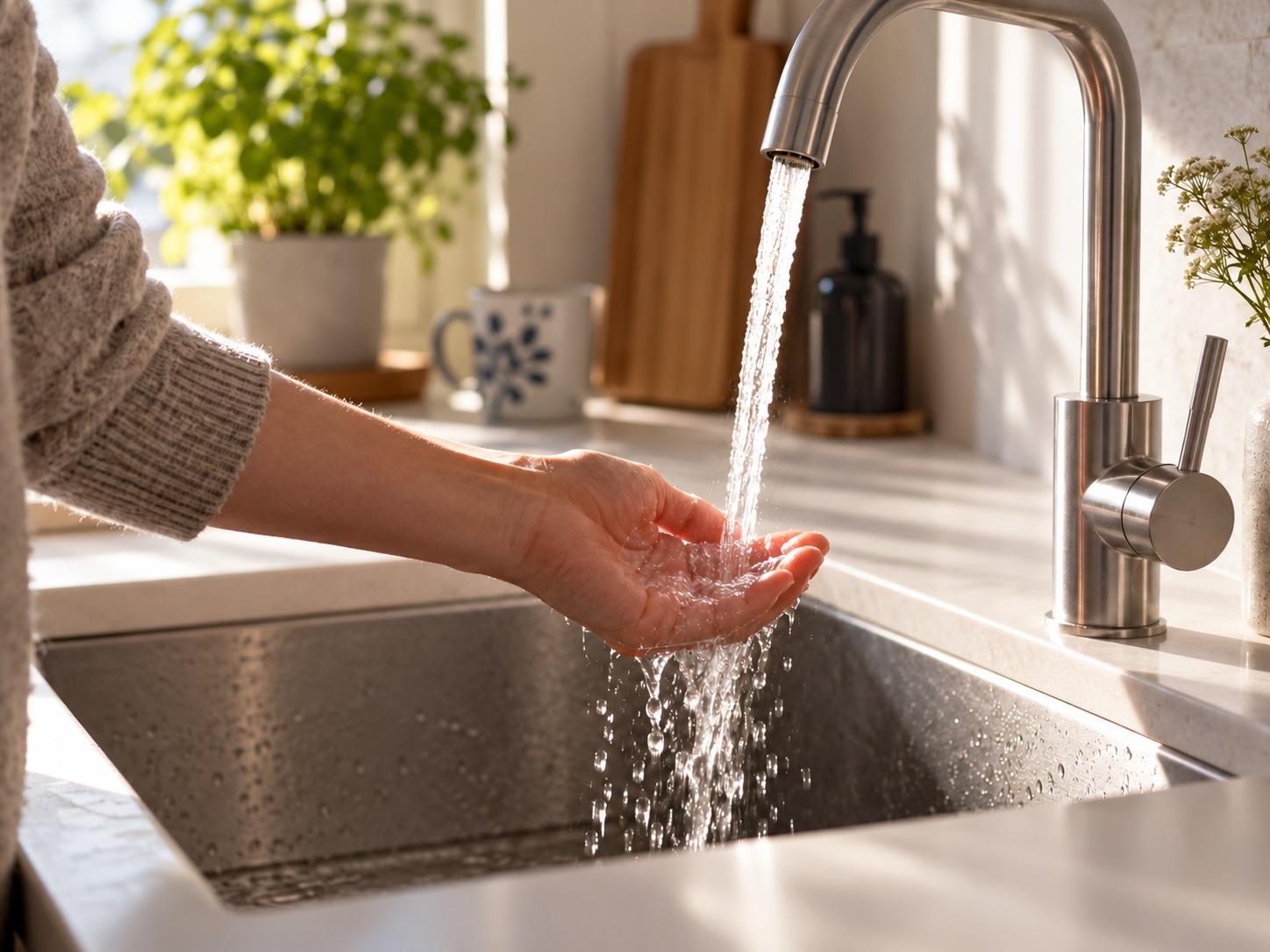
With IMD Water, residents pay for the water they actually use. It makes the biggest difference for hot water, which costs both for the water and for heating it.

What is metered
Cold and hot water per apartment.
How you save
When residents see what they use, consumption falls, hot water in particular.
Typical effect
Around 30 % less hot water and 15–25 % lower total water use.
Legal requirements
Hot water metering is required in new buildings and in certain renovations. Otherwise it is the association's own decision.

And the heat?

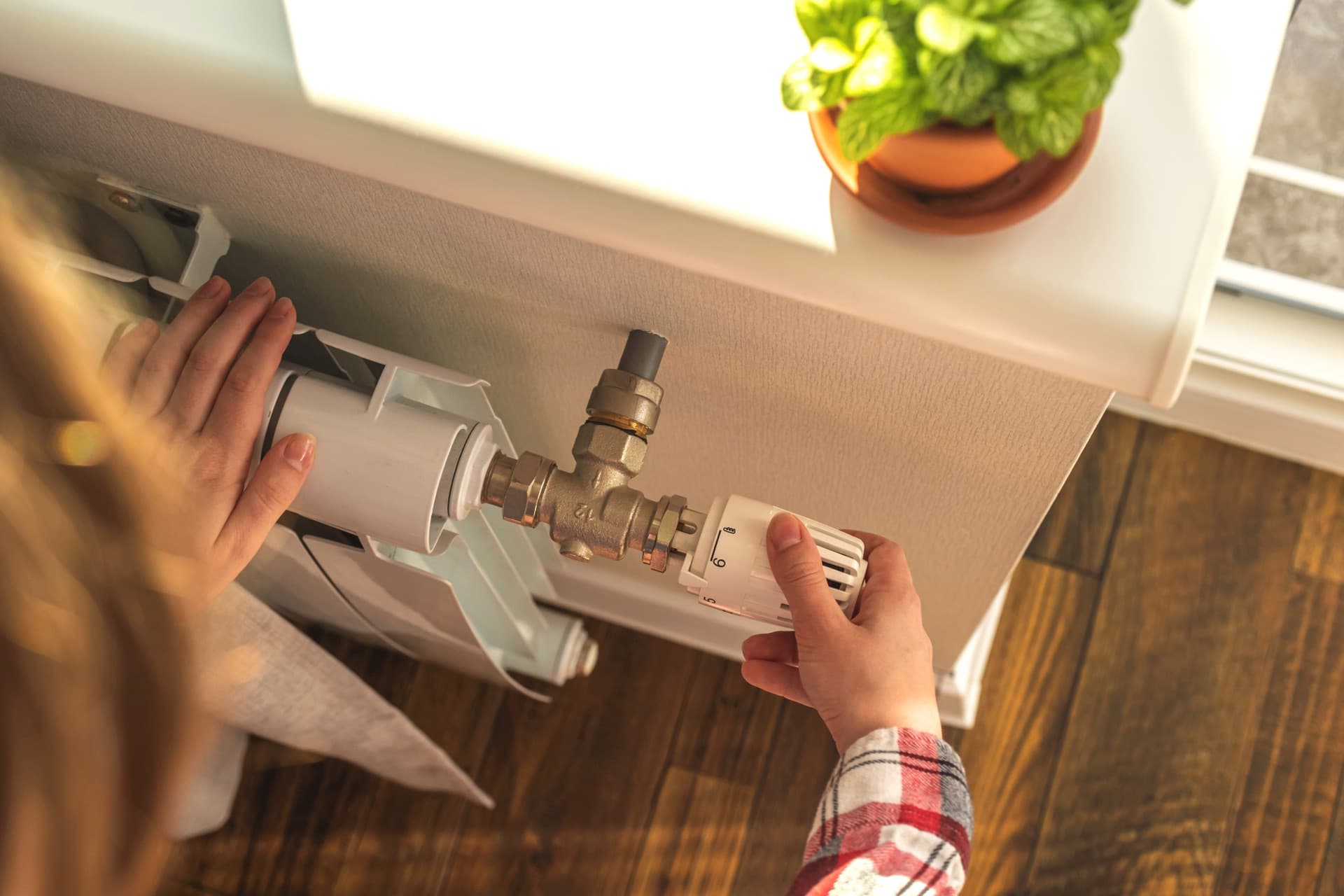
IMD exists for heat as well. The energy going to each apartment is then metered, but it depends a great deal on where in the building the apartment sits: a corner apartment or one on the top floor needs more energy for the same temperature. With Comfort heating the heating cost is shared instead by the temperature residents choose themselves, wherever in the building they live.

Pros and cons of IMD

IMD often lowers costs and makes consumption visible, but it takes an investment and a decision in the association.

Pros

  • Lower electricity cost for residents: with shared electricity the apartments' own fixed charges disappear, roughly SEK 1,500–3,500 per apartment per year.

  • Less hot water: when residents see their own use, hot water consumption falls by around 30 %.

  • A fairer water cost: when water is included in the fee, everyone pays the same. With IMD Water, residents pay for their own water.

  • Insight: the use shows on the invoice and can be followed continuously in an app.

Cons

  • An investment: meters and installation cost money, and there is an ongoing service on top. The investment normally pays for itself in 1–2 years.

  • A general meeting decision for IMD Electricity: the association needs to decide on IMD Electricity at a general meeting. IMD Water needs no such decision.

  • Less freedom of choice with shared electricity: residents cannot choose their own electricity supplier.

  • Location matters with IMD for heat: a corner apartment or one on the top floor needs more energy for the same temperature.

How it plays out depends on the property. That is why we always run the numbers for your association.

What should the board find out first?

Four questions that help you get started:

1

What do you want to improve?

Do you want to lower the electricity cost, reduce water use or share the heat differently? Start with what matters most to you.

2

What does the current situation look like?

Gather invoices, agreements and consumption figures for electricity and water.

3

What should be billed by use?

For example hot water only, or both electricity and water. We help you set up the split.

4

What do you need in order to decide?

A calculation for your property and a clear proposal to take to the general meeting.

We run the numbers on the whole commitment for you

We calculate what installation and the ongoing service cost and what your association can save, so the board has what it needs ahead of the decision.

The calculator gives a first estimate of the saving.

Get started with IMD in your association

Read more about our solutions:

Frequently asked questions

What does IMD mean?

IMD stands for individual metering and billing (individuell mätning och debitering in Swedish). Each apartment's use of electricity, water or heat is metered, and residents pay for what they actually use.

Is IMD required by law?

Only in some cases, for hot water and heat, mainly in new buildings, in certain renovations and in buildings with very high energy use. For most housing associations IMD is a voluntary decision. Read more in Boverket's guidance on individual metering and billing (in Swedish).

What can a housing association save with IMD?

It depends on what is metered. With IMD Electricity, residents lower their electricity cost by roughly SEK 1,500–3,500 per apartment per year, mainly because the apartments' own fixed charges are replaced by a single shared one. With IMD Water, hot water use falls by around 30 per cent and total water use by 15–25 per cent. Metering in itself does not lower any costs. The saving comes from the shared electricity agreement and from residents seeing and changing their own use.

What does it cost to introduce IMD?

It depends on the property and on what is to be metered. For IMD Electricity we estimate roughly SEK 2,000 per apartment as a one-off investment. Both IMD Electricity and IMD Water normally pay for themselves in 1–2 years. We produce a free calculation for your property.

Does IMD require a decision at a general meeting?

IMD Electricity requires a decision at a general meeting. IMD Water does not.
An established partner for your property.

Nordic Propeye has been metering and cutting costs in Swedish properties since 2001, with roots in Home Solutions.

1,500+
customers
multi-dwelling buildings and housing associations
600,000+
connected metering points
in Swedish properties
75 million
data points every day
analysed in the platform
25+ years
in the industry
since 2001

We'll send you a quote and a savings calculation, free of charge.

We produce a property-specific analysis of savings and rollout, at no cost and without obligation.

Free and without obligationReply within 24 hoursTailored to your property

Free and without obligation. Reply within 24 hours.

If you have accepted measurement in the cookie settings, we link your earlier visits to this site with your email address, so that our follow-up is relevant. More in our Privacy Policy.

Get a free savings calculation